Creating a Calm, Light-Filled Living Room
A calm living room begins with a sense of ease: daylight can move through the space, furniture feels comfortable to use, and each object has a clear place. The aim is not to make the room empty or entirely white, but to create a balanced setting that feels open, warm and personal.
Make the most of natural light
Start by noticing how daylight enters the room and where it falls during the day. Keep windows as visually clear as possible: avoid placing bulky furniture directly in front of them, and choose curtains or blinds that can be drawn back fully. If privacy is needed, lightweight window treatments can soften the view without making the room feel enclosed.
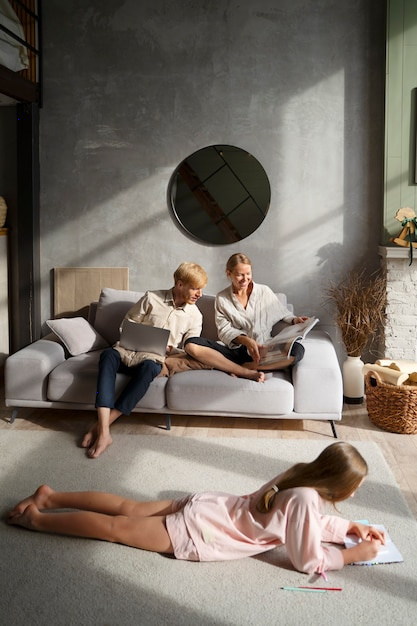
Reflective surfaces can help distribute light. A mirror placed opposite or at an angle to a window may carry daylight further into the room, while glass, pale timber and softly finished metals can add subtle brightness. Position a mirror where it reflects something pleasant, rather than a busy corner or an unappealing view.
Choose a gentle, layered palette
Light colours can help a living room feel airy, but a scheme made entirely of stark white may seem flat or cool. Consider warm neutrals, muted greens, soft blues or gentle earthy shades, then use them in a variety of tones. A pale wall colour paired with a slightly deeper sofa or rug creates definition while keeping the overall effect restful.
Test paint colours in the room before committing. The appearance of a shade changes with daylight, artificial lighting and its surroundings. Looking at samples at different times can help you choose a colour that feels comfortable in both bright and overcast conditions.
Keep the layout open and practical
Arrange furniture around how the room is used. Leave clear routes between the entrance, seating and windows, and avoid filling every available corner. In a smaller room, furniture with raised legs can allow more floor to remain visible, helping the space feel less crowded.
A sofa and a chair do not need to match to feel cohesive. They can be brought together through shared colours, textures or shapes. A rug can define the seating area, provided it is large enough to relate to the furniture rather than appearing like a small island in the middle of the floor.
Add texture for warmth
A calm room still needs depth. Natural materials such as wood, wool, linen and woven fibres introduce tactile variation without relying on strong patterns or bright colours. Combine a few different textures—for example, a smooth tabletop with a woven cushion and a soft throw—to make the room feel welcoming.
Plants can bring another layer of colour and life. Choose varieties that suit the light available and place them where they will not obstruct windows or circulation. A few thoughtfully positioned plants often feel more restful than many small accessories spread across every surface.
Plan lighting for the evening
A light-filled room should also feel comfortable after dark. Use more than one source of artificial light: ambient lighting for general use, a reading lamp beside a chair, and smaller lamps to create a softer atmosphere. Warm-toned bulbs can help a living room feel inviting, while dimmable lights make it easier to adjust the mood.
Avoid relying on a single bright ceiling light. It can create harsh contrasts and leave corners feeling neglected. Lamps placed at different heights help distribute light more evenly and make the room feel layered.
Reduce visual clutter without losing character
Clear surfaces and well-planned storage can make a room feel calmer, but a living room should still reflect the people who use it. Keep favourite books, artwork and meaningful objects, and give them space to stand out. Baskets, closed cupboards and storage furniture can help contain everyday items while keeping essentials close at hand.
A final edit can be useful: remove anything that does not serve a practical purpose or add something you value. The result need not be minimal. It should simply feel considered, comfortable and easy to live in.