How to Bring Natural Materials into a Modern Interior
Natural materials can make a modern interior feel warmer and more connected to its surroundings without losing the clean lines and practical layout that define contemporary design. Wood, stone, wool, linen, clay and other organic finishes bring variation in colour and texture, helping a room feel considered rather than stark.
Start with a simple palette
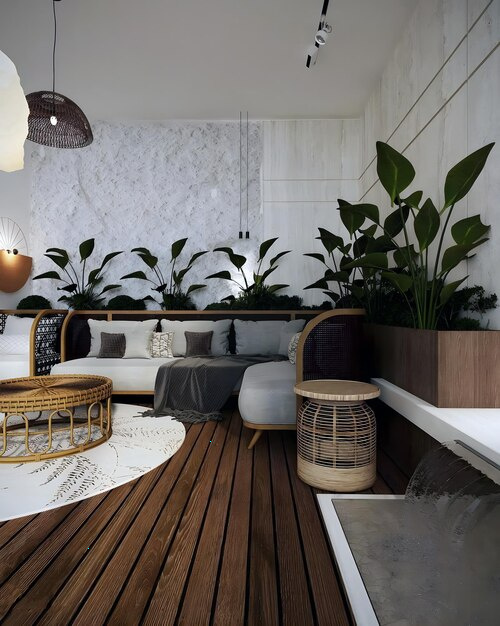
Choose a small group of materials and repeat them throughout the space. For example, timber cabinetry might sit alongside stone worktops and linen upholstery. Keeping the palette restrained allows the natural grain, veining and weave to provide visual interest.
Undertones matter. Warm woods and creamy stone can create a soft, welcoming scheme, while cooler timber and grey stone may suit a more understated look. View samples together in the room, where daylight and artificial lighting can change how their colours appear.
Balance texture with clean lines
Natural materials do not have to make a room feel rustic. A sleek kitchen can include a timber island, a stone splashback or handmade ceramic details. In a living room, pair a simple sofa with a wool rug, a wooden side table or linen curtains.
The contrast is often most effective when the forms remain uncluttered. Let a textured surface stand out against smoother finishes, rather than using several highly patterned materials in the same area.
Choose materials for how a room is used
Consider both appearance and upkeep. Timber can add warmth to floors, furniture and joinery, but the right finish and care depend on the product and its location. Stone offers natural variation, though different stones have different care requirements. Wool and linen bring softness to upholstery and textiles; check cleaning guidance before choosing them for a busy household.
In kitchens and bathrooms, ask suppliers or installers about suitability, sealing and maintenance. A material that works well as a decorative accent may not be the best choice for a frequently wet or heavily used surface.
Use natural finishes with intention
A few well-placed details can have more impact than covering every surface. Timber shelving, a stone hearth, woven shades or tactile ceramic fittings can introduce natural character while leaving room for modern finishes such as metal, glass or painted cabinetry.
Think about how materials connect between rooms. Repeating a timber tone or a muted natural colour can create continuity, while varying textures keeps each space from feeling identical.
Pay attention to light and scale
Natural textures can look very different in changing light. A rough stone finish may create stronger shadows than a smooth one, while woven fabrics can soften daylight. Test samples at different times of day and consider how a finish will look across a large surface, not just in a small sample.
Scale also affects the result. Strong grain or prominent veining can become a focal point, so use it where it can be appreciated. Quieter materials may work better across larger areas.
A modern interior does not need to rely on one style of natural material. By combining a considered palette, practical finishes and a few contrasting textures, it is possible to create spaces that feel both contemporary and warm.